Izolacja pozioma w starym domu bez kucia fundamentów
W nocy budzi Cię ten sam widok: ciemny nalot przy podłodze, odpadający tynk, zapach, którego nie da się wywietrzyć. Każdy sezon grzewczy pogarsza sprawę, a kolejna warstwa farby zakrywa tylko objaw, nie przyczynę. Izolacja pozioma w starym domu to nie kwestia estetyki, lecz ratunek dla konstrukcji, która powoli nasiąka wodą od fundamentu aż po wieńce.
- Objawy braku izolacji poziomej w starym domu
- Jak działa iniekcja pozioma: mechanizm odtworzenia izolacji
- Osuszanie murów przed odtworzeniem izolacji poziomej
- Przebieg iniekcji poziomej krok po kroku
- Koszt iniekcji poziomej fundamentów za metr bieżący
- Dobór kremu lub żywicy do iniekcji poziomej
- Połączenie izolacji poziomej i pionowej: kiedy pionowa jest konieczna
- Murłata i posadzka na gruncie: ta sama zasada
- TOP 7 błędów wykonawczych przy iniekcji poziomej
- Konserwacja po iniekcji: jak dbać o mur przez kolejne dekady
- Normy i regulacje, na które warto się powołać
W tym tekście nie znajdziesz marketingowych haseł ani ogólników. Pojawia się mechanizm kapilarnego podciągania wody, konkretne widełki cenowe w PLN za metr bieżący, normy PN-EN 1504 i instrukcje WTA, a także siedem najczęstszych błędów wykonawczych, które kosztują właścicieli drugie tyle. Każdy rozdział buduje poprzedni, więc warto czytać po kolei. Na końcu czeka interaktywna checklista, która pokaże, czy Twój budynek kwalifikuje się do iniekcji, czy potrzebuje czegoś więcej.
Objawy braku izolacji poziomej w starym domu
Wilgoć podciągana kapilarnie przez mur nie pojawia się z dnia na dzień. Przez lata cicho niszczy strukturę, aż wreszcie właściciel zauważa szereg charakterystycznych sygnałów, które łatwo zrzucić na „stary budynek". Tymczasem za każdym z nich stoi konkretne zjawisko fizyczne, które wymaga pilnej diagnozy.
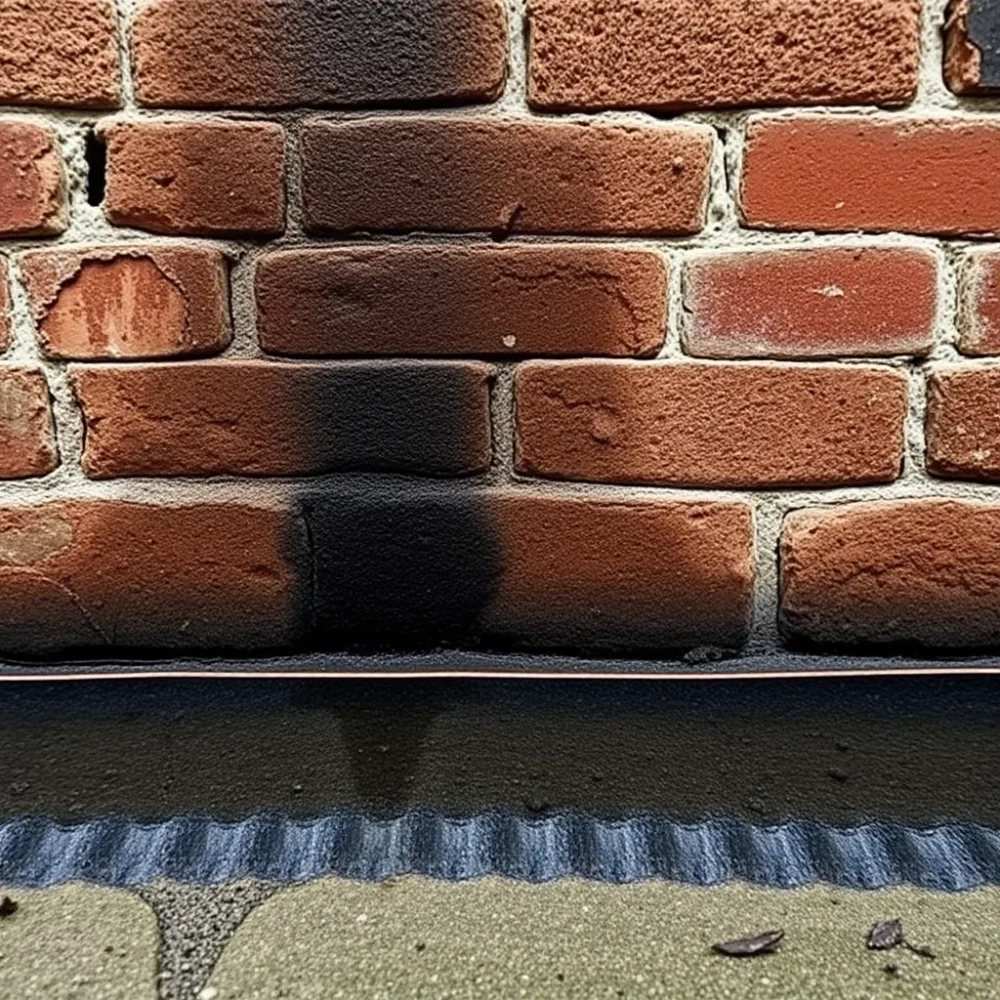
Wśród najczęstszych objawów warto wymienić ciemne, mokre plamy na tynku do wysokości 50-120 cm nad podłogą parteru, biały, pylisty nalot solny (tzw. wykwity), odpadające farby i tynki, a także wyczuwalny zapach stęchlizny. W skrajnych przypadkach pojawia się pleśń przy listwach, a drewniane podłogi zaczynają skrzypieć i puchnąć od spodu.
Czy wiesz, że? Warstwa zawilgoconego muru 38 cm nasiąka wodą z prędkością około 0,3-0,8 mm na dobę w typowej glinie? Przy braku bariery poziomej woda pokonuje w ciągu roku całą grubość ściany, aż do lica wewnętrznego.
Siedem sygnałów alarmowych, które powinny zapalić czerwoną lampkę:
- mokre lub ciemne plamy do wysokości 80-100 cm, intensyfikujące się po deszczu
- wykwity solne, łuszczący się tynk, pęcherze pod farbą
- zapach stęchlizny utrzymujący się mimo wietrzenia
- zagrzybienie przy listwach podłogowych lub w narożnikach
- skrzypienie i wybrzuszenie desek podłogowych przy ścianach zewnętrznych
- rdza na odsłoniętych elementach metalowych (kotwy, nadproża)
- podwyższony odczyt wilgotnościomierza powyżej 5-6% masowo w strefie przyposadzkowej
Każdy z tych objawów to informacja o konkretnym uszkodzeniu. Tynk nie odpada dlatego, że farba była zła, lecz dlatego, że woda rozpuszcza sole i kryształy w murze, rozsadzając go od środka. Zapach stęchlizny nie bierze się z braku wentylacji, lecz z aktywności mikroorganizmów w zawilgoconej strukturze. Zrozumienie tych mechanizmów pozwala oddzielić kosmetykę od przyczyny.
Checklist: Czy Twój dom potrzebuje iniekcji?
10 pytań tak/nie z punktacją. Każde „tak" = 1 punkt. Wynik interpretujesz na końcu.
- Dom ma więcej niż 40 lat?
- Widzisz mokre plamy lub wykwity solne na ścianach parteru?
- Zapach stęchlizny utrzymuje się dłużej niż tydzień?
- Tynk łuszczy się lub pęcherzykuje w dolnej części ścian?
- Podłogi drewniane przy ścianach są wybrzuszone?
- Stwierdzono brak papy lub folii w przekroju fundamentu?
- Wilgotność masowa muru przekracza 5% (metoda CM)?
- Brak izolacji pionowej na zewnętrznych ścianach fundamentowych?
- Woda gruntowa stoi powyżej poziomu posadzki w okresie wiosennym?
- Dom stoi na glinie lub iłach (grunty spoiste)?
Interpretacja: 0-3 punkty to prawdopodobnie wilgoć eksploatacyjna; 4-6 punktów sugeruje kapilarne podciąganie; 7-10 punktów oznacza konieczność profesjonalnej diagnostyki i iniekcji.
Jak działa iniekcja pozioma: mechanizm odtworzenia izolacji
Iniekcja pozioma to jedyna metoda, która pozwala odtworzyć izolację poziomą w starym budynku bez kucia fundamentów i bez odkopywania ścian zewnętrznych. Proces polega na wtłoczeniu w mur środka hydrofobowego, który po związaniu tworzy ciągłą barierę blokującą kapilarne podciąganie wody.
Schemat działania wygląda następująco: nawierca się otwory w jednej linii (zwykle 1-2 rzędy), w rozstawie 10-15 cm, na głębokość 80-90% grubości muru. Następnie wprowadza się preparat metodą grawitacyjną, niskociśnieniową lub ciśnieniową. Po wtłoczeniu środek migruje w kapilary, polimeryzuje lub krystalizuje, a następnie trwale hydrofobizuje strukturę. Powstaje przepona, która zastępuje dawną papę lub folię.
Czy wiesz, że? Czas schnięcia i wiązania różni się radykalnie w zależności od metody: kremy wiążą w 14-28 dni, żywice PU w 24-72 godziny, a iniekcja krystaliczna w 7-14 dni. To wpływa bezpośrednio na tempo całej inwestycji.
Porównanie trzech metod iniekcji
| Metoda | Wilgotność muru | Ciśnienie | Czas schnięcia | Typowy koszt PLN/mb |
|---|---|---|---|---|
| Grawitacyjna | do 5% | bezciśnieniowo | 21-28 dni | 180-280 |
| Niskociśnieniowa | 5-10% | 1-5 bar | 14-21 dni | 260-380 |
| Ciśnieniowa | 10-20% | 5-20 bar | 7-14 dni | 380-560 |
Grawitacyjna sprawdza się w przypadku murów o niskim zawilgoceniu, gdy środek może swobodnie wsiąkać pod własnym ciężarem. Niskociśnieniowa jest najczęściej stosowana w starszych domach o umiarkowanej wilgotności. Ciśnieniowa to rozwiązanie dla budynków mocno nasiąkniętych, gdzie kapilary wymagają aktywnego wtłoczenia preparatu.
Kluczowy jest dobór środka chemicznego. Krem hydrofobowy (np. na bazie silanów) nadaje się do suchszych murów i szybko tworzy barierę. Żywica poliuretanowa reaguje z wodą, pęcznieje i uszczelnia, dlatego świetnie sprawdza się przy aktywnych przeciekach. Żywica akrylowa jest elastyczna i nadaje się do murów narażonych na mikroruchy. Krzemiany (szkło wodne) tworzą trwałą barierę mineralną, lecz wymagają odpowiedniej temperatury. Iniekcja krystaliczna penetruje strukturę betonu i cegły, reagując z wilgocią oraz wolnym wapnem.
Tabela porównawcza środków iniekcyjnych
| Środek | Mechanizm | Idealne podłoże | Zawilgocenie | Czas wiązania | Cena PLN/mb |
|---|---|---|---|---|---|
| Krem silanowy | hydrofobizacja kapilar | cegła, pustak | do 8% | 14-21 dni | 220-320 |
| Żywica PU | pęcznienie + uszczelnienie | cegła, kamień, beton | 5-15% | 24-72 h | 300-440 |
| Żywica akrylowa | elastyczna przepona | mur mieszany | 3-12% | 48-96 h | 340-480 |
| Krzemian (szkło wodne) | mineralizacja | beton, kamień | 5-10% | 7-14 dni | 280-380 |
| Iniekcja krystaliczna | krystalizacja w kapilarach | beton, cegła | 3-8% | 7-21 dni | 320-460 |
Wybór konkretnego środka zależy od materiału muru. Cegła pełna dobrze przyjmuje kremy i krzemiany. Kamień łamany wymaga żywic o niskiej lepkości. Pustak ceramiczny lepiej współpracuje z preparatami kapilarnymi niż z żywicami PU, które mogą blokować pory. Przy grubości muru powyżej 60 cm konieczne jest nawiercanie dwurzędowe.
Osuszanie murów przed odtworzeniem izolacji poziomej
Wtłoczenie preparatu w mokry mur to jeden z najczęstszych błędów wykonawczych. Środek nie rozłoży się równomiernie, jeśli kapilary są wypełnione wodą. Dlatego osuszanie poprzedza iniekcję i decyduje o jej skuteczności.
Proces osuszania przebiega etapowo. Najpierw mierzy się wilgotność masową metodą CM (karbidową) lub wagową wg PN-EN ISO 12570. Norma dla murów ceglanych wynosi poniżej 5% masowo. Wartości 5-10% wymagają osuszania kondycjonującego, powyżej 10% konieczne jest osuszanie techniczne z osuszaczami kondensacyjnymi lub adsorpcyjnymi.
Czy wiesz, że? Mur o grubości 50 cm i powierzchni 10 m² zawiera przy 10% wilgotności około 500 litrów wody? To masa, którą trzeba odparować, zanim bariera iniekcyjna zacznie działać prawidłowo.
Metody osuszania obejmują wentylację wymuszoną, osuszacze kondensacyjne (skuteczne powyżej 15°C), osuszacze adsorpcyjne (przy temperaturach 5-15°C) oraz nagrzewanie mikrofalowe lub gorącą parą. W praktyce najczęściej łączy się osuszacze z wentylacją mechaniczną. Czas osuszania waha się od 2 tygodni (lekko wilgotne mury) do 3-4 miesięcy (mocno nasiąknięte, grube ściany).
Schemat decyzyjny: diagnostyka do odbioru
Krok 1: oględziny i pomiary wilgotności w siatce 50x50 cm. Krok 2: identyfikacja przyczyn (brak izolacji, uszkodzona pionowa, wysoki poziom wody gruntowej). Krok 3: osuszanie wstępne do wilgotności poniżej 8-10%. Krok 4: iniekcja pozioma. Krok 5: kontrola po 28 dniach od zakończenia. Krok 6: ewentualne uzupełnienie izolacji pionowej. Krok 7: tynki renowacyjne i odtworzenie wykończenia.
Przebieg iniekcji poziomej krok po kroku
Procedura wygląda inaczej w każdym domu, lecz jej trzon pozostaje stały. Siedem etapów, które powinny pojawić się w ofercie każdej rzetelnej ekipy.
Etap 1: Oględziny i pomiary. Specjalista mierzy wilgotność, lokalizuje strefy krytyczne, ocenia materiał muru. Na tym etapie określa się, czy problem to wyłącznie brak izolacji poziomej, czy także uszkodzona pionowa albo podciąganie z gruntu.
Etap 2: Projekt otworów. Wyznacza się linię iniekcji (zwykle 30-50 cm nad poziomem posadzki), rozstaw 10-15 cm, głębokość 80-90% grubości muru, kąt nawiercania (pionowy lub pod kątem 30-45°). Przy grubości powyżej 60 cm stosuje się układ dwurzędowy w rozstawie 8 cm.
Etap 3: Wiercenie. Wiertnica diamentowa lub udarowa, średnica 12-18 mm. Otwory muszą być czyste, bez pyłu, który blokuje kapilary. Po wierceniu każdy otwór przedmuchuje się sprężonym powietrzem.
Etap 4: Iniekcja. W zależności od metody wtłacza się preparat. Przy metodzie grawitacyjnej napełnia się otwory przez lejek lub rurkę. Przy niskociśnieniowej i ciśnieniowej używa się pompy z manometrem. Ciśnienie kontroluje się, by nie przekroczyć wytrzymałości muru.
Etap 5: Czas wiązania. Otwory zamyka się korkami lub zasklepia zaprawą. Preparat migruje w kapilary i polimeryzuje. Nie należy w tym czasie obciążać ściany tynkiem.
Etap 6: Kontrola końcowa. Po 14-28 dniach wykonuje się pomiary wilgotności w tych samych punktach, w których wykonano pierwszą diagnostykę. Spadek o 2-3 punkty procentowe potwierdza skuteczność bariery.
Etap 7: Odbiór i dokumentacja. Inspektor lub kierownik budowy sporządza protokół z lokalizacją otworów, zastosowanym środkiem, ciśnieniem i wynikami pomiarów. To dokument potrzebny do ubezpieczenia i ewentualnych reklamacji.
Co kontroluje inspektor po odbiorze?
Sprawdza zgodność rozstawu otworów z projektem, głębokość nawiercania (tolerancja ±10%), ilość wtłoczonego środka (zużycie na mb), czas i ciśnienie iniekcji. Weryfikuje protokół pomiarów wilgotności przed i po zabiegu. Ocenia jakość wykończenia otworów.
Koszt iniekcji poziomej fundamentów za metr bieżący
Ceny różnią się znacząco w zależności od metody, grubości muru, regionu i stopnia zawilgocenia. Poniższe widełki odpowiadają realiom rynku w 2025 roku i obejmują robociznę oraz materiał.
| Metoda | Grubość muru 38 cm | Grubość muru 50 cm | Grubość muru 60 cm+ |
|---|---|---|---|
| Krem silanowy | 220-300 PLN/mb | 280-380 PLN/mb | 360-480 PLN/mb |
| Żywica PU | 320-420 PLN/mb | 380-520 PLN/mb | 460-640 PLN/mb |
| Krzemian / szkło wodne | 280-360 PLN/mb | 340-440 PLN/mb | 420-540 PLN/mb |
| Iniekcja krystaliczna | 320-400 PLN/mb | 380-480 PLN/mb | 440-580 PLN/mb |
Kalkulator: Policz obwód swojego domu w metrach bieżących (suma długości wszystkich ścian zewnętrznych). Przykład: dom 10x12 m ma obwód 44 mb. Przy kremie silanowym i grubości 38 cm koszt wyniesie od 9 680 do 13 200 PLN. To punkt wyjścia do negocjacji z wykonawcą.
Sześć czynników, które windowają koszt
- grubość muru powyżej 50 cm (konieczność wiercenia dwurzędowego)
- zawilgocenie powyżej 12% (wymusza metodę ciśnieniową)
- mur mieszany (kamień + cegła, wymaga elastycznych żywic)
- brak dostępu do wnętrza (konieczność pracy tylko od zewnątrz)
- potrzeba osuszania technicznego (osuszacze, prąd, czas)
- lokalizacja utrudniająca logistykę (piwnice, niskie stropy, wąskie dojścia)
Kiedy inwestycja się zwraca?
Profesjonalna iniekcja eliminuje koszt remontu tynków co 5-7 lat (zwykle 80-150 PLN/m²), wymiany podłóg drewnianych (180-350 PLN/m²) oraz osuszania awaryjnego. Przy domu 100 m² w perspektywie 10 lat mowa o oszczędności 20-50 tys. PLN. ROI zaczyna być widoczne po 4-6 latach, a bariera iniekcyjna zachowuje skuteczność 25-50 lat w zależności od metody.
Dobór kremu lub żywicy do iniekcji poziomej
Wybór środka to nie kwestia mody, lecz dopasowania do trzech parametrów: materiału muru, jego grubości i stopnia nasiąknięcia. Każdy preparat ma swoje optimum, poza którym traci skuteczność.
Cegła pełna ceramiczna, najczęstsza w budynkach z XIX i pierwszej połowy XX wieku, doskonale współpracuje z kremami silanowymi i krzemianami. Struktura kapilarna jest tu zwarta i jednorodna, więc preparat penetruje równomiernie. Kamień łamany (granit, piaskowiec, wapień) wymaga żywic o niskiej lepkości, które wypełniają spoiny i mikrospękania. Pustak ceramiczny lub żużlobeton lepiej przyjmuje preparaty kapilarne, bo jego pory są większe i bardziej zróżnicowane.
Przy zawilgoceniu poniżej 5% najlepsze są kremy silanowe, które wymagają suchego kapilary do hydrofobizacji. W przedziale 5-10% sprawdzają się krzemiany i iniekcja krystaliczna. Powyżej 10% konieczne są żywice PU, które reagują z wodą i pęcznieją, blokując drogę wilgoci.
Tabela decyzyjna: „Mój mur jest…"
| Typ muru | Zawilgocenie | Rekomendowana metoda |
|---|---|---|
| Cegła pełna, sucha | do 5% | Krem silanowy, grawitacyjna |
| Cegła pełna, wilgotna | 5-10% | Krzemian, niskociśnieniowa |
| Kamień łamany | 5-12% | Żywica PU, niskociśnieniowa |
| Pustak ceramiczny | do 8% | Krem silanowy, grawitacyjna |
| Beton wylewany | 5-10% | Iniekcja krystaliczna, niskociśnieniowa |
| Mur mieszany | 8-15% | Żywica akrylowa, ciśnieniowa |
Praktyczny przykład. Mur 60 cm z cegły pełnej, zawilgocenie 18%, brak izolacji pionowej. Pierwszy krok to osuszanie techniczne przez 6-8 tygodni do wilgotności poniżej 10%. Drugi krok to iniekcja kremem silanowym metodą niskociśnieniową w dwóch rzędach. Łączny koszt: 28-38 tys. PLN dla obwodu 50 mb. Efekt: trwała bariera na 30-40 lat.
Kiedy NIE stosować danej metody?
Krem silanowy nie nadaje się do murów mocno nasiąkniętych (powyżej 10%), bo woda wypiera go z kapilar. Żywica PU w murach pustakowych może zbyt szybko pęcznieć i blokować pory, nie docierając do końca kapilar. Krzemian w niskich temperaturach (poniżej 5°C) wiąże zbyt wolno i nie tworzy szczelnej bariery. Iniekcja krystaliczna nie sprawdza się w kamieniu naturalnym o niskiej zawartości wolnego wapna.
Połączenie izolacji poziomej i pionowej: kiedy pionowa jest konieczna
Iniekcja pozioma odcina wodę podciąganą od dołu, lecz nie chroni przed wilgocią napierającą z boku. Na gruntach spoistych (glina, ił), przy wysokim poziomie wody gruntowej lub braku drenażu konieczne jest uzupełnienie izolacją pionową.
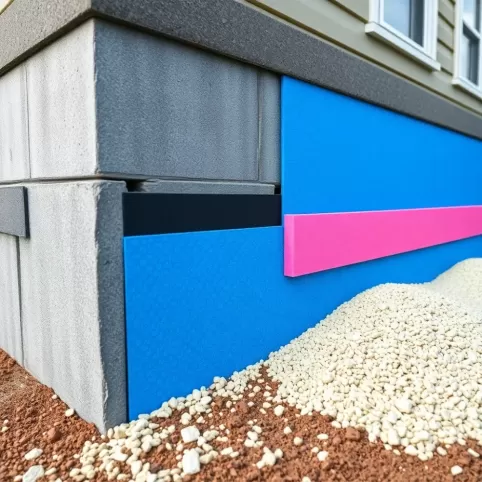
Izolacja pionowa działa jak płaszcz na zewnętrznej ścianie fundamentowej. W starym budynku jej odtworzenie wymaga odkopyania ściany do poziomu ławy, oczyszczenia, nałożenia powłoki bitumicznej modyfikowanej (KMB) lub mineralnej szlamy, a następnie zabezpieczenia folią kubełkową. Na styku z izolacją poziomą (wykonaną iniekcją) tworzy szczelne połączenie.
Kiedy pionowa jest niezbędna? Gdy poziom wody gruntowej sięga powyżej poziomu ławy fundamentowej, gdy brak drenażu opaskowego, gdy grunt jest spoisty i słabo przepuszczalny, a także gdy w piwnicy pojawia się woda napierająca bocznie (nie tylko podciągana).
Pięć najczęstszych błędów na styku warstw
- Brak zakładki pionowej na poziomą (minimum 15-20 cm)
- Niezabezpieczenie styku przed mechanicznym uszkodzeniem
- Użycie różnych, niestabilnych chemicznie materiałów
- Pominięcie ochrony mechanicznej (folia kubełkowa lub XPS)
- Brak dylatacji na przejściu przez grunt
Murłata i posadzka na gruncie: ta sama zasada
Zasada blokowania podciągania kapilarnego dotyczy nie tylko fundamentu. Murłata (drewniana belka leżąca na murze) oraz posadzka na gruncie to kolejne miejsca, w których brak izolacji poziomej powoduje degradację.
Murłata w starym domu leży bezpośrednio na murze, bez podkładki bitumicznej. Woda podciągana kapilarnie z muru przenika do drewna, powodując gnicie i atak grzybów domowych. Iniekcja pozioma wykonana w linii poniżej murłaty odcina tę drogę. Dodatkowo warto podłożyć pod murłatę pas papy termozgrzewalnej lub folii PE, jako fizyczną przegrodę.
Posadzka na gruncie w wielu starych domach nie ma izolacji przeciwwilgociowej pod warstwą wylewki. Skutkuje to ciągłym parowaniem wilgoci w górę, roseniem parkietu, wykwitami na wykładzinach. Rozwiązaniem jest wykonanie izolacji podposadzkowej metodą iniekcji ciśnieniowej w płycie lub wylanie nowej posadzki z przekładką z folii PE 0,3 mm i XPS-em.
| Lokalizacja | Materiał | Typ izolacji | Typowy błąd |
|---|---|---|---|
| Murłata | drewno | papa + iniekcja poniżej | brak podkładki bitumicznej |
| Posadzka na gruncie | beton | folia PE + XPS | brak izolacji pod wylewką |
| Wieniec stropowy | beton | iniekcja punktowa | pomijanie przy remoncie |
TOP 7 błędów wykonawczych przy iniekcji poziomej
Nawet najlepszy środek nie zadziała, jeśli technologia zostanie zignorowana. Siedem błędów, które najczęściej pojawiają się na budowach, powinno być czerwonymi flagami podczas wyboru ekipy.
- Brak osuszania wstępnego. Iniekcja w mokry mur to najczęstsza przyczyna nieskuteczności zabiegu.
- Zbyt mały rozstaw otworów. Poniżej 10 cm środek nie rozkłada się równomiernie; powyżej 15 cm zostają suche plamy.
- Niewłaściwa głębokość wiercenia. Zbyt płytkie otwory nie przebijają całej grubości muru i zostawiają strefę przenikania.
- Dobór środka bez badania wilgotności. Krem silanowy w mokrym murze to wyrzucone pieniądze.
- Brak dokumentacji z pomiarów. Bez protokołu nie ma podstaw do reklamacji.
- Pomijanie kontroli po wiązaniu. Sprawdzenie efektu po 28 dniach to obowiązek wykonawcy.
- Brak zabezpieczenia otworów. Niezasklepione otwory to mostki termiczne i droga dla wody.
Konserwacja po iniekcji: jak dbać o mur przez kolejne dekady
Iniekcja pozioma nie wymaga intensywnej konserwacji, ale nie jest też rozwiązaniem bezobsługowym. Co 5-7 lat warto przeprowadzić przegląd i pomiary kontrolne.
Pierwsza kontrola przypada po 12 miesiącach od zabiegu. Mierzy się wilgotność w tych samych punktach co na początku, porównuje z dokumentacją wyjściową. Wzrost wilgotności powyżej 2% w stosunku do pomiaru bezpośrednio po iniekcji to sygnał do działania: może oznaczać uszkodzenie bariery lub nowe źródło wilgoci.
W kolejnych latach warto dbać o sprawność systemu odprowadzania wody: rynny, rury spustowe, drenaż opaskowy. Każde zatkanie czy cofnięcie się wody w kierunku ściany to ryzyko podniesienia poziomu wilgoci. W piwnicach i przy gruncie spoistym zaleca się montaż pomp studziennych przy wysokim poziomie wody gruntowej.
Tynki renowacyjne to uzupełnienie iniekcji. Nakłada się je na dolną część ściany (do 100 cm nad barierą) jako warstwę regulującą paroprzepuszczalność. Chronią mur przed wykwitami solnymi w okresie przejściowym, kiedy resztkowa wilgoć wciąż migruje ku górze.
Normy i regulacje, na które warto się powołać
Projektowanie i wykonanie iniekcji poziomej opiera się na dwóch kluczowych dokumentach. PN-EN 1504 część 5 i 8 określa wymagania dotyczące materiałów i systemów do naprawy konstrukcji betonowych, w tym iniekcji. Wytyczne WTA (Wissenschaftlich-Technische Arbeitsgemeinschaft für Bauwerkserhaltung) precyzują metodykę osuszania i odtwarzania izolacji w budynkach istniejących, w tym dopuszczalne wilgotności, rozstawy otworów i kryteria odbioru.
Polskie przepisy budowlane (Rozporządzenie Ministra Infrastruktury w sprawie warunków technicznych, jakim powinny odpowiadać budynki i ich usytuowanie) wymagają, by ściany piwnic i fundamenty miały izolację przeciwwilgociową. W przypadku braków historycznych iniekcja pozioma stanowi rozwiązanie dopuszczalne jako naprawa, nie nowa budowa.
Źródła danych i regulacji
- PN-EN 1504-5:2004, Wyroby i systemy do ochrony i naprawy konstrukcji betonowych. Część 5: Iniekcja betonu (PKN, www.pkn.pl)
- PN-EN 1504-8:2004, Wyroby i systemy do ochrony i naprawy konstrukcji betonowych. Część 8: Kontrola jakości i ocena zgodności (PKN)
- PN-EN ISO 12570:2001, Właściwości cieplno-wilgotnościowe materiałów i wyrobów budowlanych. Określanie wilgotności przez suszenie w podwyższonej temperaturze (PKN)
- WTA-Merkblatt 4-7-04:2014, Nachträgliche Horizontalsperre (WTA Publications, www.wta-international.org)
- WTA-Merkblatt 4-6:2014, Nachträgliche Vertikalsperre (WTA Publications)
- Rozporządzenie Ministra Infrastruktury z dnia 12 kwietnia 2002 r. w sprawie warunków technicznych, jakim powinny odpowiadać budynki i ich usytuowanie (Dz.U. 2002 nr 75 poz. 690 z późn. zm.)
- Dane rynkowe cen iniekcji: raporty branżowe oraz ankiety wśród wykonawców, www.izolacje.com.pl
Jeśli właśnie stoisz przed wyborem wykonawcy, poproś o trzy rzeczy: protokół pomiarów wilgotności sprzed iniekcji, dokumentację zastosowanego środka z numerem partii i aprobatą, oraz pisemną gwarancję z konkretnymi parametrami (spadek wilgotności w punktach kontrolnych po 6 i 12 miesiącach). Bez tych trzech elementów każda oferta pozostaje jedynie obietnicą.